We use some essential cookies to make this website work.
We'd also like to set optional cookies to enable features like embedded videos and maps,
collect anonymous statistics, and improve the overall experience.
As part of Fenstanton Parish Council’s ongoing commitment to maintaining a safe environment within the cemetery, recent routine health and safety inspections have identified a number of headstones and memorials that have become unstable.
Where a memorial was found to present a potential safety risk, it has been carefully laid flat to prevent injury or damage until the necessary repairs can be carried out.
Many of the affected graves are older, and unfortunately the Parish Council does not always have up-to-date contact details for relatives or owners of memorials. While we have attempted to contact families where information is available, some addresses may no longer be current, and ownership of properties may have changed over the years. As a result, it has not been possible to notify everyone directly.
If you visit the cemetery and find that the memorial of a loved one has been laid down, we kindly ask that you arrange for a qualified stonemason to inspect and make the memorial safe as soon as possible.
Please contact Fenstanton Parish Council to confirm that you have seen this notice and to let us know that arrangements have been made for the necessary repairs. You can contact us on 01480 465300 or by email at clerk@fenstantonparishcouncil.org.uk.
If you have any questions, require further information, or would like to discuss an affected memorial, please do not hesitate to contact us. We will be happy to assist.
Thank you for your understanding and cooperation in helping us keep the cemetery safe for all visitors.
Fenstanton Parish Council
https://fenstantonparishcouncil.gov.uk/wp-content/uploads/2023/07/fenstanton-logo-v1.png00admin_fenstantonhttps://fenstantonparishcouncil.gov.uk/wp-content/uploads/2023/07/fenstanton-logo-v1.pngadmin_fenstanton2026-10-19 14:23:332026-10-19 14:23:33Cemetery Memorial Safety Notice
📢 Have your say on the Local Plan! This is your opportunity to help shape the future of our community. Make sure your views are heard by taking part in the consultation and sharing your feedback.
https://fenstantonparishcouncil.gov.uk/wp-content/uploads/2023/07/fenstanton-logo-v1.png00Parish Clerkhttps://fenstantonparishcouncil.gov.uk/wp-content/uploads/2023/07/fenstanton-logo-v1.pngParish Clerk2026-10-13 10:48:572026-10-13 10:52:20Have your say! Local Plan
https://fenstantonparishcouncil.gov.uk/wp-content/uploads/2023/07/fenstanton-logo-v1.png00Parish Clerkhttps://fenstantonparishcouncil.gov.uk/wp-content/uploads/2023/07/fenstanton-logo-v1.pngParish Clerk2024-12-02 15:59:312024-12-02 16:02:58New Improved 5A Bus Service
The first example of a Roman crucifixion in the UK has been found in Fenstanton.
Albion Archaeology discovered a large, previously unknown Roman roadside settlement in 2017 while carrying out an excavation in on behalf of Tilia Homes (previously Kier Living). Finding Roman burials on such a site is common, and this was no exception – yet one of the people buried at Fenstanton had been crucified.
Archaeologists investigating a previously unknown Roman roadside settlement, which includes five small cemeteries, discovered in one grave the remains of a man with a nail through his heel.
Only one previous example like this of crucifixion has been found worldwide, in Israel, although two possible instances have also been claimed in Italy and Egypt. However, the Fenstanton example is the best preserved.
The exciting discovery follows on from previous historically significant digs across Cambridgeshire in recent years which have uncovered preserved Bronze Age buildings and artefacts at Must Farm in Whittlesey, pristine prehistoric occupation sites and burial monuments in Needingworth Quarry, and new Iron Age, Roman and Anglo-Saxon settlements that emerged during the course of the recent A14 road improvement scheme around Cambridge.
The cemeteries and man who was crucified were discovered during excavations of two sites in advance of new housing developments by Tilia Homes (previously known as Kier Living) south of Cambridge Road, and by Morris Homes at the former Dairy Crest brownfield site. The excavations were led by David Ingham of Albion Archaeology.
Aerial photo of Cambridge Road site CREDIT-JJ Mac Ltd
Osteologist (human bone specialist) Corinne Duhig from Wolfson College, Cambridge, said: “The lucky combination of good preservation and the nail being left in the bone has allowed me to examine this almost unique example when so many thousands have been lost.
“This shows that the inhabitants of even this small settlement at the edge of empire could not avoid Rome’s most barbaric punishment.”
Inside the cemeteries, 40 adults and five children were buried, with specialist study showing that some family groups were present. The Roman settlements, now fully excavated, also included a number of archaeologically significant artefacts.
The results of the excavation will be formally published when analysis of the site’s finds and evidence has been completed.
Speaking for Cambridgeshire County Council’s Historic Environment Team, archaeologist Kasia Gdaniec said: “These cemeteries and the settlement that developed along the Roman road at Fenstanton are breaking new ground in archaeological research.”
“Burial practices are many and varied in the Roman period and evidence of ante-or post-mortem mutilation is occasionally seen, but never crucifixion.”
“We look forward to finding out more when the results are published. Hopefully, there will be a museum exhibit to showcase the remains soon, and we are working to arrange this. We are grateful to the developers for funding these important investigations as part of their planning obligation.”
Fenstanton lies on the Via Devana, the road which linked the Roman towns at Cambridge and Godmanchester. While numerous Iron Age sites are known in the area, this roadside settlement appears to have been an essentially new Roman venture on the line of the road, covering at least 6 hectares and possibly situated at a crossroads. The presence of an early Anglo-Saxon grubenhaus or sunken-floored building points to some level of continued post-Roman habitation after the 4th century.
Support from Tilia Homes meant that the central, best-preserved part of the settlement was left undisturbed by the new housing development. The excavation focused on the enclosures around the edge, away from the domestic areas – though the footings of a large wooden building and traces of stone street or yard surfaces were found in the areas closest to the centre.
One of these enclosures contained large numbers of animal bones that suggest the presence of a large-scale industrial operation. Cattle bones were being split in such a way that large amounts of marrow and grease would have been released – for the manufacture of items such as soap or tallow for candles. The bones are likely to have come from a combination of cattle that were kept at Fenstanton, as well as carcasses that were imported from a nearby Roman town specifically for specialist butchers to process them here.
The excavation also revealed a number of Roman graves, mostly clustered into small cemeteries – the size of household cemetery plots, though DNA evidence identified surprisingly few family groupings. Analysis of the skeletons has revealed that the mostly adult population suffered from a large number of injuries and illnesses. None of the graves appeared remarkable during excavation – but while one of the skeletons was being washed back at the lab, it was found to have a nail through its heel.
Crucifixion nail in heel after washing#2
The skeleton was that of a man aged roughly 25–35, with signs of poor dental health and arthritis that were common among many of the people buried here. There were also signs of thinning on his lower legs, which may have been caused by infection or inflammation or perhaps by local irritation from being bound or shackled.
Twelve nails that were found around the skeleton suggest that he had been placed on a board or a bier (probably not in a coffin), but the 13th had passed horizontally through his right heel bone (calcaneum). It seems implausible that the nail could have been accidentally driven through the bone during construction of the timber support on which the body was placed – indeed, there are even signs of a shallow second hole that suggests an unsuccessful first attempt to pierce the bone.
While this cannot be taken as incontrovertible proof that the man was crucified, it seems the only plausible explanation – making it at most the fourth example ever recorded worldwide through archaeological evidence. Crucifixion was relatively commonplace in Roman times, but the victims were often tied to the cross rather than nailed, and if nails were used then it was routine to remove them afterwards. Only one other example has been found with a nail surviving in situ through the bone, discovered at Giv‘at ha-Mivtar in north Jerusalem during building work in 1968; skeletons with a similar hole have also been found at Gavello in Italy and at Mendes in Egypt, but without a nail in place and with doubt over how the holes had been formed.
The remarkable fact about this skeleton is not that the man was crucified, but that his body was reclaimed after death and given a formal burial alongside others, leaving us with this extremely rare evidence of what had happened to him.
An iron nail penetrated his right heel bone (calcaneum) horizontally, consistent with crucifixion. His feet would have been nailed to the sides of an upright timber.
In life he had suffered from poor health and injury, and his ankles may have been shackled. The victim may have been a slave.
This is the best physical evidence for a crucifixion in the Roman world – the only instance from northern Europe and the fourth reported worldwide. No nails are associated with two of the others, and plant roots may have caused the holes. Previously unique is a heel bone excavated in Israel in 1968, with a nail in the same position as the new find. It was less well preserved and was reburied, and there has been controversy about the find.
The grave was in a small cemetery, one of five around a newly discovered Roman settlement at Fenstanton, between Roman Cambridge and Godmanchester.
The site of crucifixion is unknown, but is likely to have been elsewhere, probably beside a road.
The man’s bones have been radiocarbon dated to between AD130 and 360. Constantine, acclaimed emperor in York (306–337), is thought to have banned crucifixion, so the man likely died between 130 and 337.
The nail was not seen until conservation occurred off site. Prolonged analysis by Corinne Duhig, archaeologist at the University of Cambridge who examined the human remains from Fenstanton, established crucifixion as the only likely explanation. Signs of punitive injuries and immobilisation before and around the time of death, says Duhig, suggest the victim may have been a slave.
Romans reserved crucifixion for condemned slaves, rebels and lower classes. Cicero was among writers who criticised the cruel practice, designed to prolong an agonising death.
Crucifixion nails are thought to be so rare because:
Crucified people would not often have received proper burial.
Crucifixion was often done with rope.
Nails would have been recycled for their metal value, and may also have been collected for perceived magical properties.
The exact location of the crucifixion is not being disclosed to respect the privacy of the current homeowner.
A detailed article on the excavation can be found in the British Archaeology magazine
https://fenstantonparishcouncil.gov.uk/wp-content/uploads/2023/07/fenstanton-logo-v1.png00Parish Clerkhttps://fenstantonparishcouncil.gov.uk/wp-content/uploads/2023/07/fenstanton-logo-v1.pngParish Clerk2021-12-08 20:21:042024-02-27 20:18:00UK’s first example of Roman crucifixion found in Fenstanton
Your Parish Council is currently working closely with a number of agencies to draw up a Fenstanton Flood Resilience Plan. This includes working in partnership with Cambs County Council, the Lead Flood Authority in the County.
As part of CCC’s Community Flood Action Programme, it is updating its riparian guidance document to make it more useful for those living next to a watercourse. As this document is aimed at residents and landowners, we wish to seek your views and get a better understanding of your awareness of riparian issues. CCC has prepared a short survey (5 questions).
In addition, we would be grateful of any photos you may have of watercourses in and around Fenstanton, to include in the guidance document and on-line mapping we are using.
If anyone would like to submit photos, please email them to clerk@fenstantonparishcouncil.org.uk describing the location and include your name for crediting purposes.
Thank you
Fenstanton Parish Council
https://fenstantonparishcouncil.gov.uk/wp-content/uploads/2023/07/fenstanton-logo-v1.png00Parish Clerkhttps://fenstantonparishcouncil.gov.uk/wp-content/uploads/2023/07/fenstanton-logo-v1.pngParish Clerk2021-08-27 12:28:532024-02-27 20:18:00Waterways and flooding – how much do you understand about Riparian Rights?
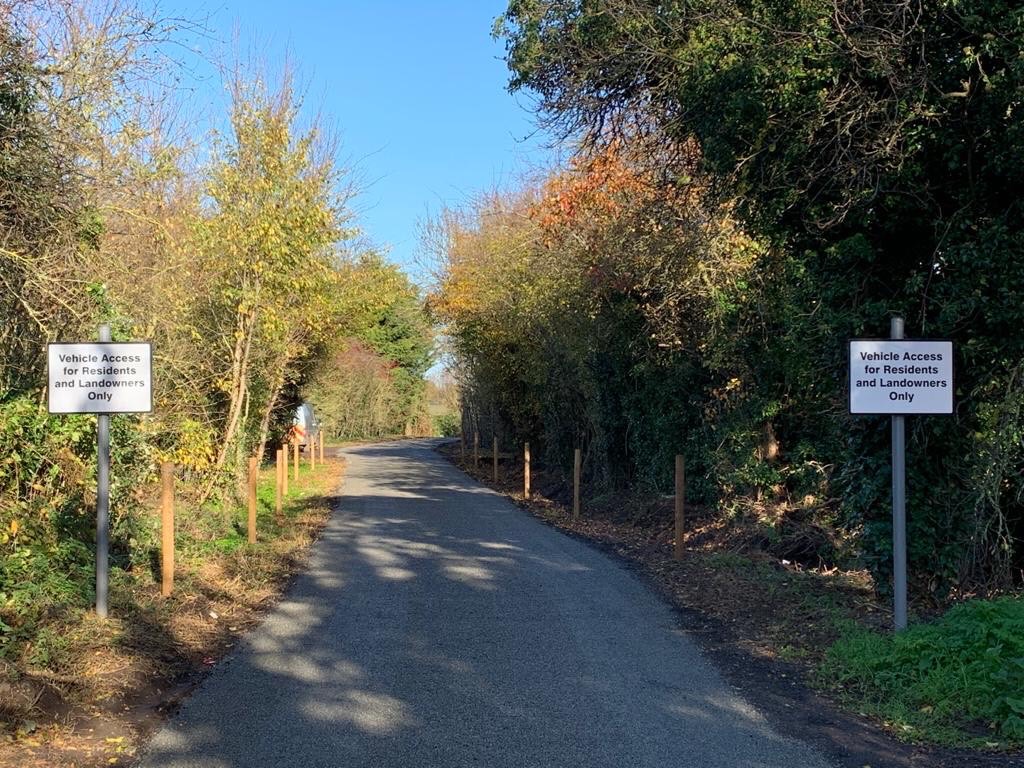
The final seal went down yesterday. Bollards are in place to stop unauthorised cars and vans accessing it.
The vast majority of the money and technical expertise came from Cambs County Council, with the Parish Council responsible for its future upkeep…and yes, it does go down to the busway.
Its great to see it being used immediately by wheelchair users, as well as a variety of walkers, riders and cyclists…opening up access to both the busway and St Ives.
Well done to Cllr Ian Bates from Cambs County Council and Cllr Paul Kent from Fenstanton Parish Council, along with the Fen Residents Group and everyone involved for all their work in making this happen. A great asset for Fenstanton.
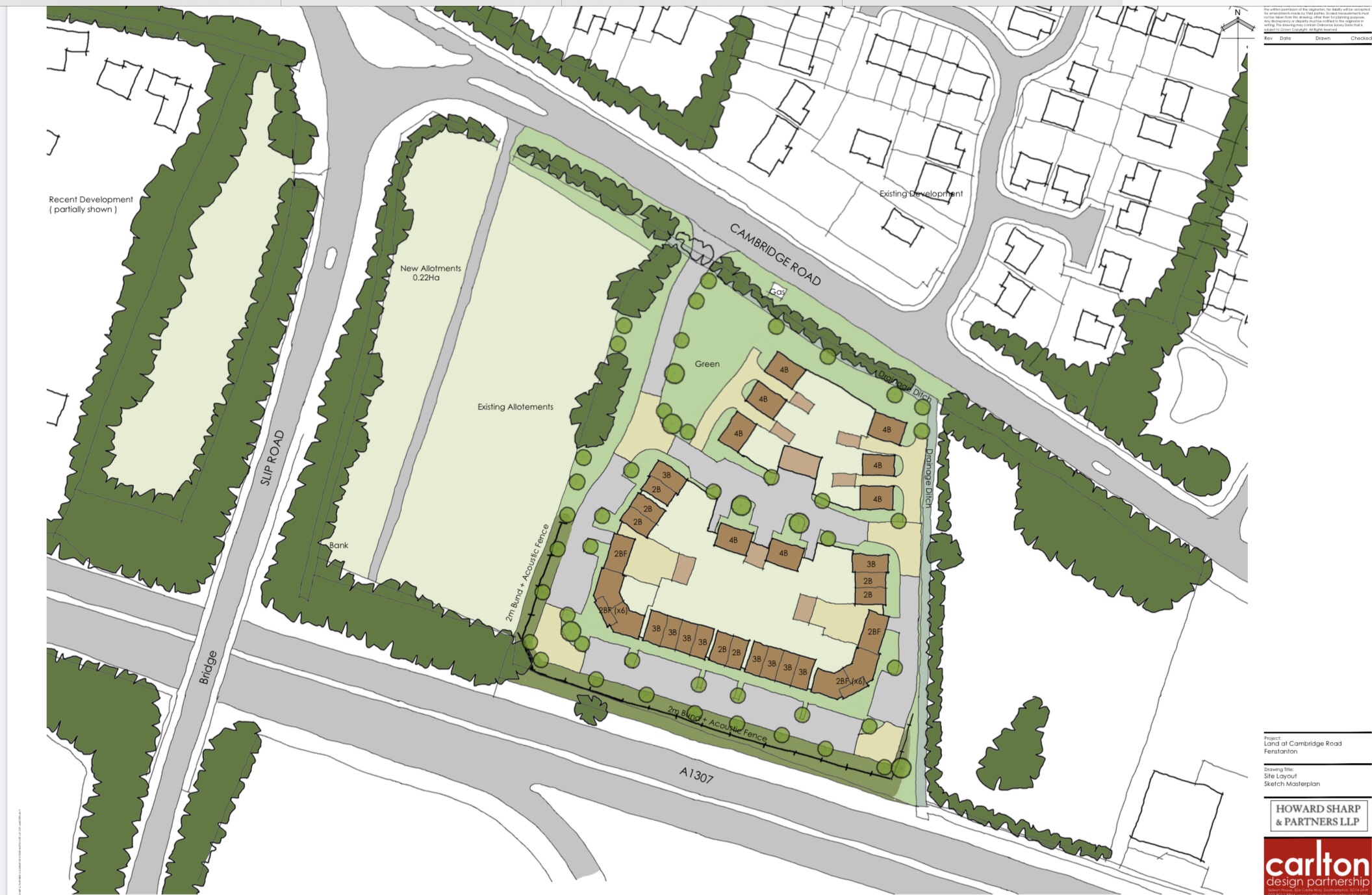
Land East of the bridge over the A1307(old A14) and between the A1307 (old A14) and Cambridge Road, Fenstanton.
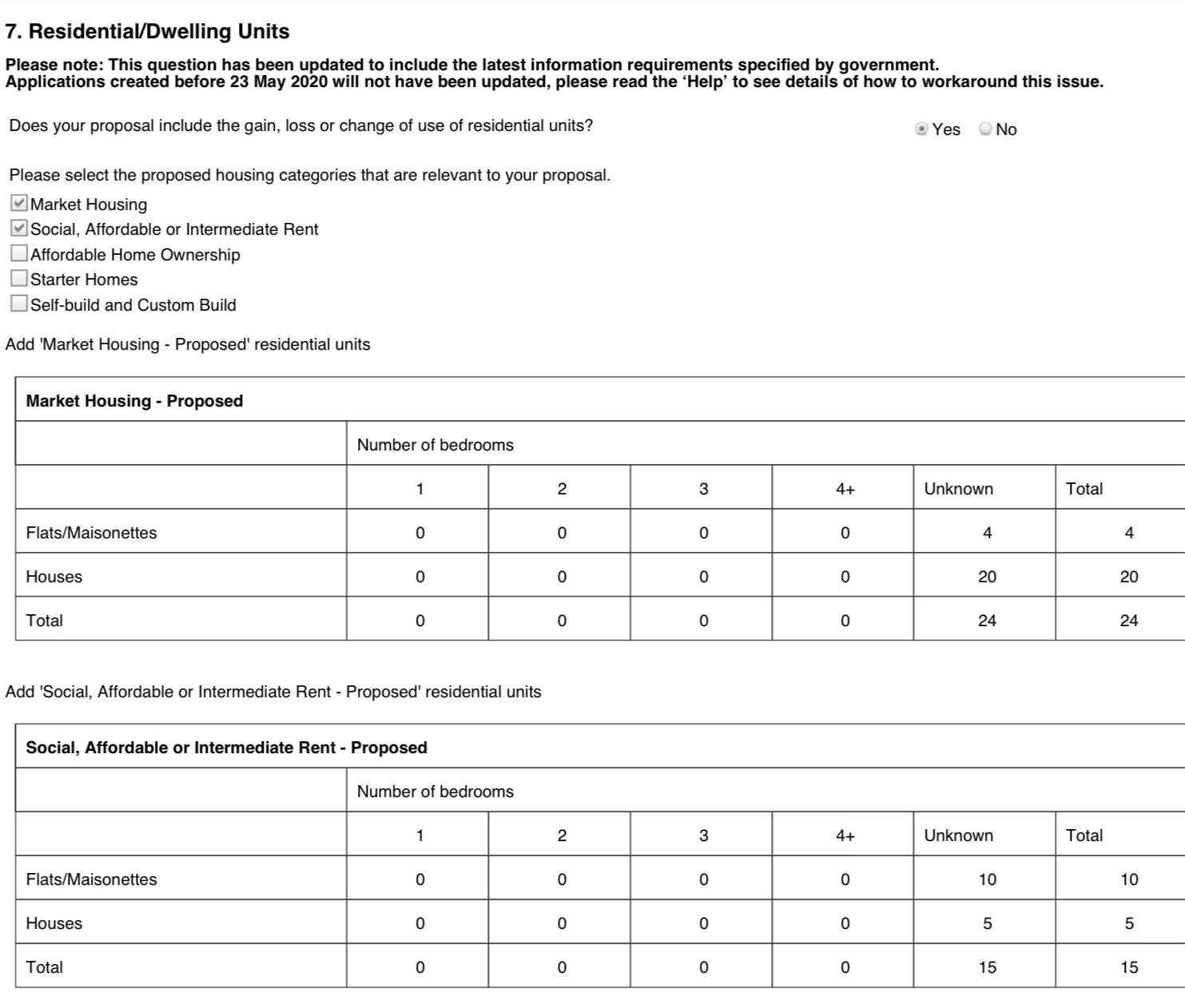
Your Parish Council has been invited to submit its views of the proposed development of 39 dwellings on the land East of the bridge over the A1307 (old 14) and between the A1307 (old A14 ) and Cambridge Road Fenstanton.
The closing date for our response is 27th November
This will be discussed at the Parish Council meeting on Thursday, 12th November, from 7.00pm. If you would like to attend the Zoom meeting, or would like to let us have your views, please email: clerk@fenstantonparishcouncil.org.uk.
Alternatively, you can provide your feedback on the Hunts District Council planning portal (above).
https://fenstantonparishcouncil.gov.uk/wp-content/uploads/2023/07/fenstanton-logo-v1.png00Parish Clerkhttps://fenstantonparishcouncil.gov.uk/wp-content/uploads/2023/07/fenstanton-logo-v1.pngParish Clerk2020-11-06 13:10:512024-02-27 20:18:00Outline planning permission for up to 39 dwellings and 0.2ha of allotments with associated works.